Paronychia treatments differ by infection type because acute paronychia involves rapid bacterial invasion requiring drainage and antibiotics, while chronic paronychia stems from prolonged irritant exposure needing steroid anti-inflammatories and barrier restoration. Viral or fungal cases demand specific antivirals or antifungals to address distinct pathogens and timelines.
Acute Bacterial Paronychia
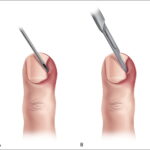
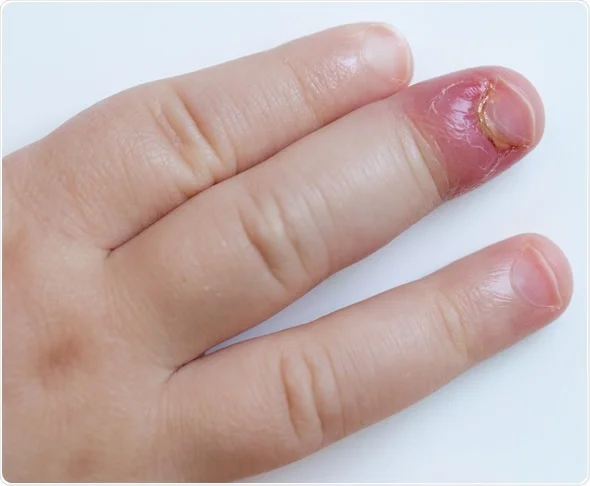
Caused by S. aureus or streptococci after trauma breaching the nail fold, acute cases develop suddenly with pus. Treatment prioritizes warm soaks (4x daily), incision/drainage for abscesses, and topical/oral antibiotics like dicloxacillin or cephalexin targeting polymicrobial infection.
Chronic Inflammatory Paronychia
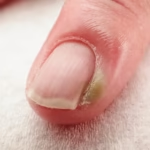
Lasting over 6 weeks from irritants (detergents, water) in wet occupations, chronic paronychia features swelling without pus, often with candida overgrowth. Topical steroids (betamethasone) or calcineurin inhibitors like tacrolimus reduce inflammation; antifungals address secondary yeast.
Viral Paronychia (Herpetic Whitlow)
HSV-1/2 causes grouped vesicles in immunocompromised patients; incision contraindicated to avoid spread. Acyclovir cream or oral antivirals provide suppressive therapy, differing from bacterial drainage needs.
Fungal Paronychia
Candida albicans dominates chronic cases; topical clotrimazole or oral terbinafine/itraconazole eradicate yeast after irritant avoidance. Steroids enhance efficacy but alone insufficient for fungal clearance.
Treatment Overlaps and Escalations
Immunocompromised patients require broader antibiotics regardless of type. Refractory chronic cases may need nail fold excision or marsupialization to rebuild barrier, unlike acute conservative measures.
Conclusion
Paronychia treatments differ by acute bacterial (drainage/antibiotics), chronic irritant (steroids/barrier repair), viral (antivirals), and fungal (antifungals) etiologies, matching pathology duration, pathogens, and tissue response for optimal resolution.
FAQs
Acute vs chronic duration difference?
Acute develops <6 weeks with pus; chronic exceeds 6 weeks with persistent swelling sans abscess.
First-line acute treatment before antibiotics?
Warm soaks 10-15 minutes 4x daily promote spontaneous drainage and blood flow.
Oral antibiotic choice for acute paronychia?
Dicloxacillin 250mg QID or cephalexin 500mg TID covers staph/strep; clindamycin for MRSA risk.
Chronic paronychia primary avoidance?
Eliminate wet work, chemicals, detergents—wear gloves for dishwashing/floristry.
Steroid vs antifungal superiority in chronic?
Topical steroids outperform systemic antifungals; combine for candida-positive cultures.
Herpetic whitlow drainage safety?
Never—risks bacterial superinfection and HSV dissemination; antivirals only.
Immunocompromised escalation?
Broader IV antibiotics, drainage regardless, monitor for osteomyelitis.
Refractory chronic surgical options?
Eponychial marsupialization or proximal nail fold excision restores barrier permanently.