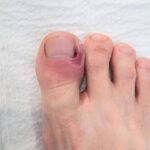
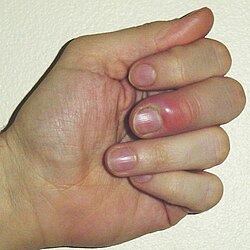
Topical steroids like methylprednisolone aceponate and tacrolimus ointment effectively treat chronic paronychia by reducing inflammation in 70-85% of cases over 6 weeks, outperforming antifungals. Surgical options like eponychial marsupialization with nail removal succeed in recalcitrant cases, addressing multifactorial irritant dermatitis rather than infection alone.
Topical Corticosteroids Reduce Inflammation
Methylprednisolone aceponate cured/improved 41/48 nails vs 30/57 with terbinafine, showing steroids superior for eczematous response. Betamethasone 17-valerate controls swelling and tenderness; apply twice daily for 3-6 weeks alongside irritant avoidance.
Calcineurin Inhibitors for Steroid-Resistant Cases
Tacrolimus 0.1% ointment outperformed betamethasone (statistically significant cure rates) by inhibiting dendritic cell migration and suppressing irritant reactions. Ideal for long-term use without skin thinning risks associated with prolonged steroids.
Combination Antifungal-Steroid Therapy
Broad-spectrum topicals (clotrimazole + steroid) address secondary candidal overgrowth in 2/18 carriers, though Candida eradication links weakly to cure. Use for 3 weeks when moisture exposure persists despite prevention.
Surgical Interventions for Recalcitrant Disease
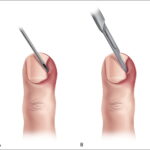
Eponychial marsupialization drains nail fold, curing 70% with nail avulsion vs 41% without; en bloc proximal nail fold excision effective in 70% of irregular nail cases. Swiss roll technique preserves nail plate while promoting rapid healing.
Preventive Measures Enhance All Treatments
Avoid wet work, chemicals, and allergens; cotton gloves under vinyl protect during exposure. Emollients lubricate cuticles; patient education prevents recurrence critical for sustained remission.
Conclusion
Chronic paronychia responds best to topical steroids/tacrolimus first-line, with surgery reserved for failures. Multifactorial management combining inflammation control, irritant avoidance, and barrier restoration yields consistent long-term success.
FAQs
First-line treatment duration and success rate?
Topical steroids (methylprednisolone/betamethasone) twice daily for 3-6 weeks achieve 70-85% improvement; combine with emollients for barrier repair.
When to escalate to tacrolimus?
Steroid non-responders after 4 weeks; 0.1% ointment twice daily superior to betamethasone, safe long-term without atrophy risks.
Antifungals role in chronic cases?
Adjunctive only—terbinafine/itraconazole inferior to steroids; use if secondary Candida confirmed, but eradication rarely correlates with cure.
Surgical indications and techniques?
Recalcitrant after 6-12 weeks medical therapy; eponychial marsupialization ± nail avulsion (70% cure); en bloc excision for nail irregularities.
Irritant avoidance specifics?
No prolonged water/chemical exposure; cotton-lined gloves for wet work; avoid acids/alkalis common in housekeepers/florists.
Intralesional steroid option?
Triamcinolone injection for severe multifinger involvement; limited use due to pain/atrophy risks, reserved for refractory inflammation.
Expected healing timeline post-surgery?
Marsupialization: 7-14 days exposure; full resolution 4-6 weeks; recurrence low (retreat with nail removal if needed).
Emollients which and how often?
Petrolatum-based applied frequently to cuticles/hands; prevents cracking, enhances all therapies.
Systemic steroids/antibiotics needed?
Rarely—short-course oral steroids for acute flares; antibiotics only if bacterial superinfection (cellulitis).