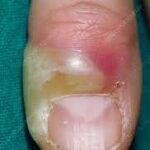
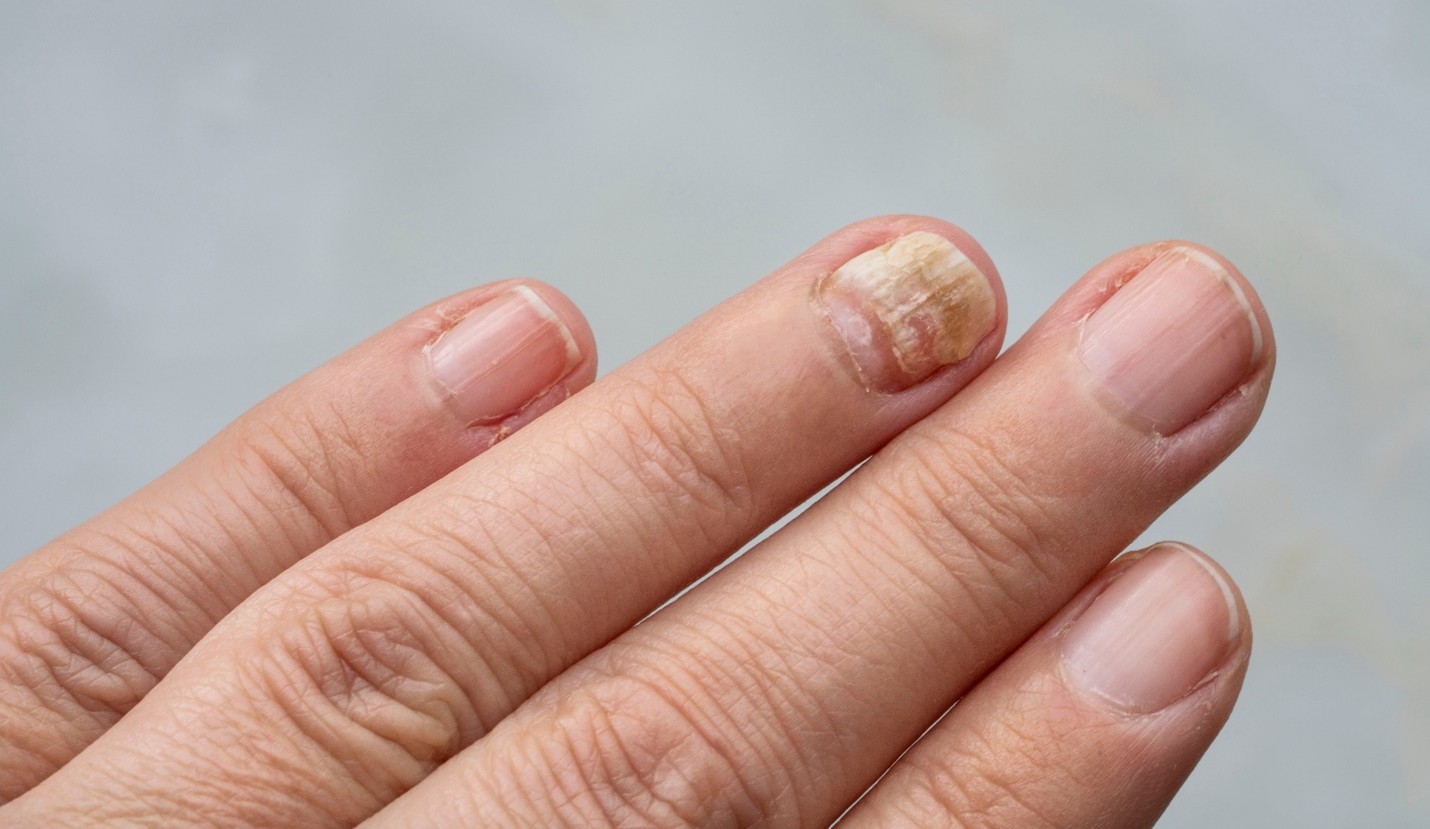
Paronychia treatments effectively help swollen cuticles by reducing inflammation, eliminating infection, and restoring the nail barrier through warm soaks, topical antibiotics/steroids, and drainage when needed. Acute cases resolve in days to weeks; chronic forms improve over months by addressing irritants alongside medical therapy.
Warm Soaks Reduce Initial Swelling
Warm water soaks with Burow’s solution, vinegar, or diluted povidone-iodine 3-4 times daily promote drainage and decrease inflammation without antibiotics for mild cases. This softens cuticles, relieves pain, and prevents abscess formation in acute paronychia.
Topical Antibiotics and Steroids Target Infection
Mupirocin or bacitracin combined with topical corticosteroids like betamethasone accelerate healing by combating bacteria and calming swelling. Studies show steroids alone outperform antifungals in chronic cases, restoring cuticle integrity within weeks.
Drainage for Abscessed Swollen Cuticles
Incision or needle drainage releases pus from abscesses, resolving severe swelling rapidly when soaks fail. Post-drainage care with topical agents prevents recurrence; oral antibiotics rarely needed unless systemic spread occurs.
Chronic Irritant Management Prevents Recurrence
Avoiding moisture/chemical exposure (gloves for wet work) plus mid-potency steroid ointments or tacrolimus rebuilds the nail fold barrier. Ciclopirox provides anti-inflammatory benefits; intralesional steroids handle refractory swelling.
Conclusion
Paronychia treatments consistently reduce swollen cuticles through tiered approaches: soaks for mild, topicals for moderate, drainage/surgery for severe. Patient compliance with irritant avoidance yields high success rates across acute and chronic presentations.
FAQs
Warm soak frequency and duration for swollen cuticles?
Soak affected finger 10-15 minutes in warm water (salted or Burow’s solution) 3-4 times daily until swelling subsides, typically 2-7 days for acute cases; continue preventionally for chronic.
When to add topical antibiotics to soaks?
After 48 hours without improvement in redness/swelling; apply mupirocin 2-4 times daily for 5-10 days covering polymicrobial infections common in breached cuticles.
Steroid ointment strength for cuticle inflammation?
Mid-potency like betamethasone 0.1% or triamcinolone ointment applied thinly twice daily for 2-4 weeks; tacrolimus 0.1% alternative for steroid-resistant chronic swelling.
Drainage procedure for abscessed paronychia?
Digital block anesthesia, 18-gauge needle puncture or #11 blade incision at abscess lowest point; express pus, pack if needed, follow with soaks—no sutures to allow ongoing drainage.
Oral antibiotics necessary for swollen cuticles?
Rarely; only for cellulitis spread, immunocompromise, or felon risk—cephalexin or clindamycin covering Staph/Strep; drainage alone cures most localized infections.
Chronic paronychia irritant avoidance strategies?
Wear cotton-lined gloves for wet work/dishwashing; apply barrier creams pre-exposure; avoid nail biting/manicures; moisturize cuticles daily with petrolatum.
Expected resolution timeline acute vs chronic?
Acute: 3-7 days with soaks/topicals; chronic: 6-12 weeks with irritant cessation plus steroids, full cuticle regeneration months.
Refractory cases treatment escalation?
Intralesional triamcinolone injection, eponychial marchupialization, or proximal nail fold excision; short systemic prednisone burst for multi-digit involvement.
Home pain relief for paronychia swelling?
Ibuprofen 400-600mg every 6-8 hours reduces inflammation/pain; elevate hand; avoid squeezing to prevent spread.
Recurrence prevention after treatment?
Maintain dry cuticles, gentle manicure practices, antifungal prophylaxis if candida-linked; monitor for early swelling and restart soaks promptly.
Previous Article
Can Paronychia Treatments Prevent Recurring Nail PainNext Article
How Paronychia Treatments Ease Severe Discomfort