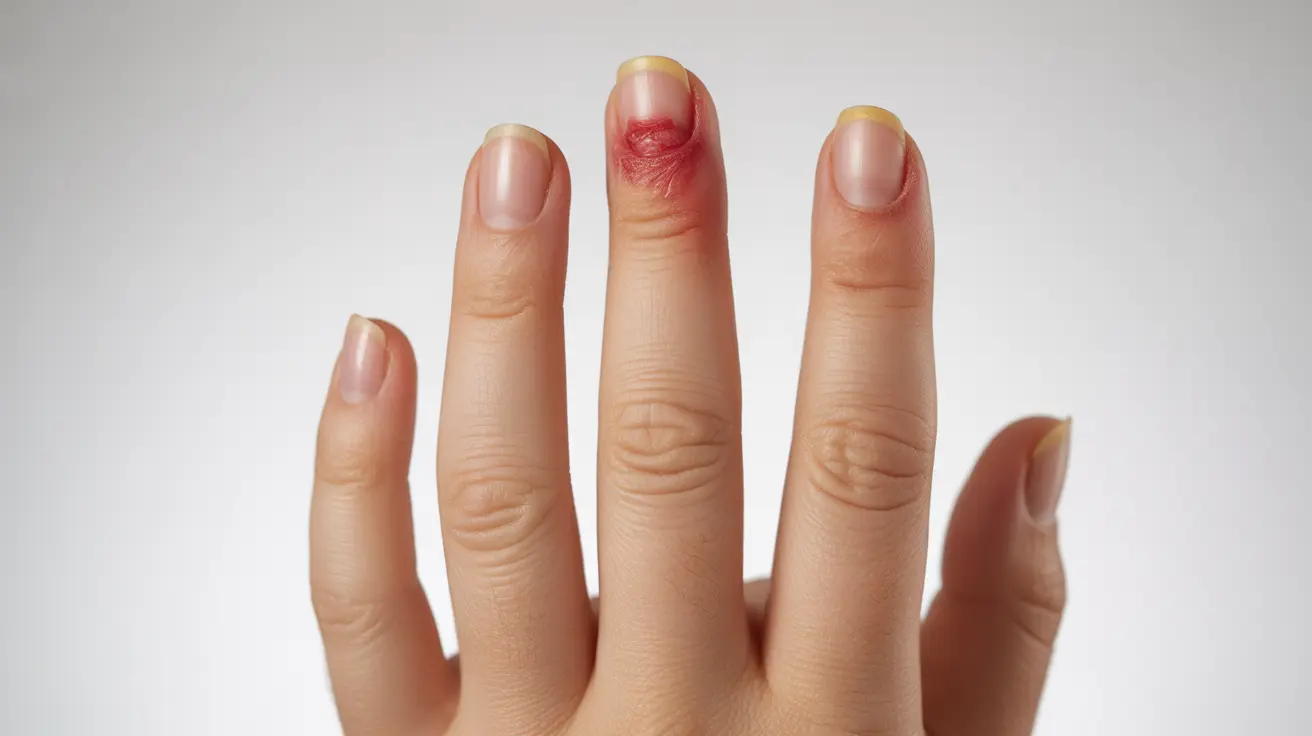
Paronychia treatments prevent recurring nail pain through consistent nail hygiene, barrier protection, moisture control, and irritant avoidance that maintain the cuticle seal against bacteria and fungi. Warm soaks, topical steroids, and preventive gloves reduce inflammation while short nails and dry environments eliminate re-entry points for pathogens.
Daily Nail Hygiene Practices
Trim nails straight across without cutting cuticles or too short to preserve protective barriers. Avoid biting, picking, or manicuring that breaches skin allowing bacterial entry. Clean clippers prevent cross-contamination between nails.
Moisture and Irritant Protection
Wear rubber gloves with cotton liners during wet work, cleaning, or chemical exposure to block irritants causing chronic inflammation. Keep hands dry post-washing; apply moisturizers sparingly to avoid cracks. Change socks daily; rotate shoes for complete drying.
Acute Episode Management
Warm Epsom salt soaks 3-4 times daily reduce swelling and pain within days for bacterial cases. Topical antibiotics or drainage prevent abscess formation; oral antibiotics reserved for severe spread or immunocompromised patients.
Chronic Inflammatory Control
Topical steroids outperform antifungals for eczematous chronic paronychia, reducing redness and fibrosis over 3-6 weeks. Calcineurin inhibitors like tacrolimus suit steroid-resistant cases; glycemic control essential for diabetics.
High-Risk Occupation Strategies
Housekeepers, dishwashers, florists use double-gloving during irritant exposure. Swimmers and athletes select moisture-wicking socks and properly fitted shoes preventing fungal growth in damp environments.
Conclusion
Paronychia treatments prevent recurring nail pain via hygiene, protective gear, moisture control, and targeted anti-inflammatories addressing acute infections and chronic irritant dermatitis comprehensively.
FAQs
Optimal nail trimming technique?
Cut straight across monthly leaving white edge intact; file smooth edges avoiding cuticle contact to preserve barrier seal against pathogens.
Glove protocol for wet/chemical work?
Rubber exterior with cotton liner absorbs moisture; wear 20-30 minutes maximum per session; air dry hands immediately after removal.
Epsom soak frequency and duration for acute pain?
15-20 minutes in warm water with 1-2 tbsp Epsom salt, 3-4 times daily for 3-5 days reduces swelling 50-70%; discontinue if no improvement.
Topical steroid application method?
Thin layer twice daily for 2-3 weeks on inflamed fold only; taper gradually prevents rebound; combine with moisturizer post-wash.
Chronic paronychia recurrence triggers?
Prolonged water exposure, detergent contact, nail manipulation; 80% cases resolve with irritant avoidance alone per clinical data.
Diabetic-specific prevention measures?
Strict blood sugar control below 140 mg/dL fasting; daily foot inspections; orthopedic shoes prevent trauma-induced episodes.
Fungal vs bacterial differentiation?
Fungal shows gradual thickening/yellowing; bacterial rapid pus/redness; culture confirms but soaks differentiate response within 48 hours.
Surgical intervention threshold?
Recalcitrant after 6 weeks conservative therapy; eponychial marsupialization drains chronically; nail removal for matrix involvement.
Post-treatment monitoring duration?
Weekly self-checks for 3 months; resume soaks at tingling; professional eval if pain recurs within 6 weeks indicates underlying irritant.
Athlete footwear selection criteria?
Toe box width 1cm beyond longest toe; moisture-wicking materials; rotate pairs daily prevents fungal recurrence in 90% cases.