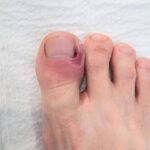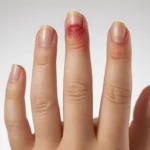
Paronychia treatments should be applied first to the affected nail fold after warm soaks, targeting the swollen, infected skin around the fingernail proximal edge where bacteria or fungi accumulate. Warm water soaks for 10-15 minutes precede topical antibiotics or steroids, softening skin and promoting drainage before medication application.
Warm Soaks as Initial Preparation
Soak infected finger in warm water (add antiseptic like chlorhexidine or povidone-iodine) 3-4 times daily for 15-20 minutes to reduce swelling and encourage pus drainage. Dry thoroughly afterward—first step for both acute and chronic cases before any topicals.
Topical Antibiotics on Nail Fold
Apply mupirocin, bacitracin, or triple antibiotic ointment directly to red, swollen proximal nail fold 3-4 times daily post-soak for 5-10 days. Covers S. aureus; rub gently into cuticle area avoiding nail bed.
Topical Steroids for Inflammation
High-potency betamethasone 0.05% cream BID for 7-14 days on eczematous chronic paronychia after soaks. Targets irritated skin barrier around nail, reducing chronic swelling before antifungals.
Antifungals for Chronic Cases
Clotrimazole or nystatin cream TID up to 30 days on moist nail folds post-soak for candida-related paronychia. Tacrolimus 0.1% ointment BID alternative for steroid-resistant inflammation.
Abscess Drainage Priority
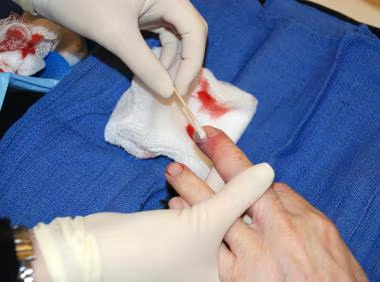
Incision at nail fold-p cuticle junction with #11 blade or needle if pus present—done first under digital block before antibiotics. Follow with soaks and topicals; antibiotics secondary unless cellulitis.
Conclusion
Paronychia treatments prioritize warm soaks first across affected nail fold, followed by topicals targeting proximal cuticle skin. Sequence ensures drainage, infection control, and barrier restoration systematically.
FAQs
Exact soak solution and duration?
Warm water with chlorhexidine or povidone-iodine, 15-20 minutes 3-4x daily; promotes drainage without antibiotics initially.
Where precisely apply antibiotic ointment?
Directly on swollen proximal nail fold and cuticle edge post-soak; thin layer, gentle massage 3-4x daily for 5-10 days.
Steroid cream application zone and frequency?
Betamethasone on red, irritated nail fold skin BID for 7-14 days after drying post-soak; avoid open wounds.
When to perform incision and drainage first?
Immediate for fluctuant abscess at nail fold junction; use #11 blade along cuticle, then soaks and topicals follow within 24 hours.
Antifungal cream placement for chronic paronychia?
Clotrimazole TID on moist lateral nail folds post-soak up to 30 days; covers candida overgrowth from irritant exposure.
Post-drainage care sequence?
Soaks start immediately after I&D, then antibiotic ointment; follow-up 24-48 hours to ensure ongoing drainage.
Oral antibiotics when topicals fail?
Cephalexin 500mg TID or dicloxacillin 250mg QID for 5-7 days if cellulitis extends beyond nail fold after 48 hours topical failure.
Chronic irritant avoidance before treatment?
Keep dry, moisturize post-wash, avoid water/chemicals first—enhances topical penetration on nail fold.
Pediatric treatment order differences?
Soaks first, then systemic antibiotics like amoxicillin-clavulanate; avoid I&D unless abscess severe.
EGFR inhibitor paronychia specifics?
Topical steroids and antibiotics on nail fold without stopping medication; phenol matricectomy for recalcitrant cases.