
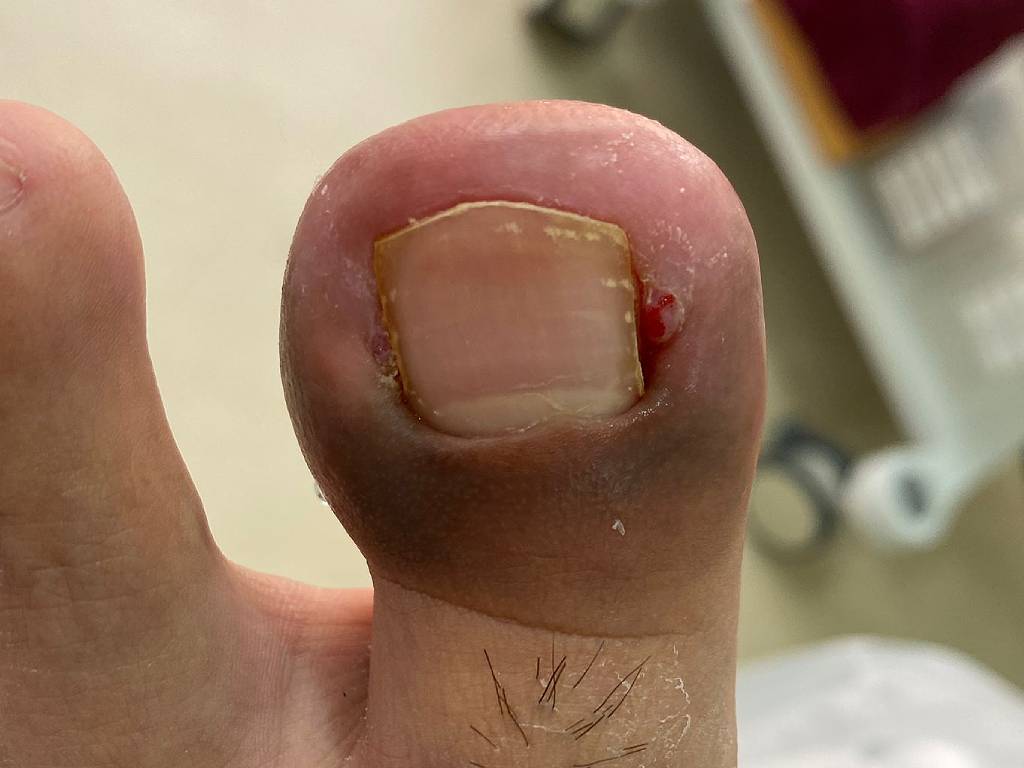
My uncle has type 2 diabetes and deals with nail infections constantly. For years, he thought it was just bad luck – kept getting painful, swollen areas around his fingernails and toenails that wouldn’t heal properly.
Turns out, diabetic patients face significantly higher risk for paronychia because of circulation problems and weakened immune response. What heals in a week for most people drags on for months for diabetics. The infections get worse faster, spread easier, and sometimes lead to serious complications.
What frustrated him most was that doctors treated each infection like an isolated incident instead of addressing why they kept happening. Once he finally connected with a specialist who understood diabetic nail care, things improved dramatically.
Here’s what actually works for diabetic patients dealing with these stubborn nail infections.
Why Diabetics Get More Nail Infections
High blood sugar creates the perfect environment for bacterial growth. Elevated glucose levels in skin tissue basically feeds bacteria, helping infections establish and spread faster than in non-diabetic patients.
Circulation problems mean less blood flow to extremities. Fingers and toes don’t get the oxygen and immune cells needed to fight off infections effectively. What starts as minor inflammation becomes full-blown infection before your body even responds.
Nerve damage from diabetes reduces sensation in hands and feet. My uncle didn’t notice small cuts or hangnails until infections were already established. By the time pain finally registered, bacteria had colonized the nail fold completely.
The protective barrier between nail and skin breaks down more easily in diabetic patients. Dry skin cracks, minor trauma causes bigger damage, and healing takes forever. Each breach creates entry points for bacteria.
Early Intervention Matters More
Diabetic patients can’t afford to wait and see if nail infections resolve on their own. What might be minor irritation for healthy people can progress to bone infection or require amputation in severe diabetic cases.
My uncle now treats any redness or tenderness around nails immediately instead of giving it a few days. Warm soaks start at the first sign of inflammation, not after abscess formation.
Recognizing early symptoms prevents most serious complications. Slight swelling, warmth, or tenderness around the nail fold signals time to act. Waiting for obvious pus or severe pain means you’re already behind.
Daily nail inspection became part of his routine. Checking for any changes, cuts, or irritation lets him catch problems at the very beginning. Prevention is easier than treating established infections.
Warm Soaks As First-Line Defense
Warm water soaks work surprisingly well for early paronychia, especially in diabetic patients who can’t jump straight to antibiotics without risks.
My uncle soaks affected fingers in warm water with Epsom salt four times daily for 15-20 minutes each session. The heat increases blood flow to the area, bringing immune cells to fight infection naturally.
The soaking softens skin and promotes drainage if early abscess formation has started. Many mild cases resolve completely with consistent soaking and nothing else. No antibiotics needed, no side effects to manage.
Temperature matters – water should be warm but not hot enough to cause burns. Diabetic neuropathy means reduced temperature sensation, so he tests water with his elbow first to avoid scalding his hands.
Adding antiseptic solutions like povidone-iodine or chlorhexidine to the soak provides extra antibacterial benefit. These solutions kill bacteria without the systemic effects of oral antibiotics.
Consistency is critical. Missing soaks lets bacteria regroup and inflammation returns. Four times daily feels excessive until you see how quickly infections improve with regular treatment.
When Antibiotics Become Necessary
Diabetic patients need lower threshold for antibiotic treatment compared to healthy individuals. The risk of complications outweighs concerns about antibiotic overuse.
Topical antibiotics like mupirocin work well for surface infections without abscess formation. My uncle applies antibiotic ointment after each warm soak, keeping the area protected between treatments.
Oral antibiotics become necessary when cellulitis develops – redness spreading beyond the immediate nail area. Waiting too long risks deeper tissue infection that’s harder to control.
His doctor prescribes antibiotics that cover Staph aureus, the most common pathogen in paronychia. Amoxicillin-clavulanate provides good coverage and works for most cases unless specific resistance is known.
The full antibiotic course must be completed even after symptoms improve. Diabetic infections have higher recurrence rates, and incomplete treatment practically guarantees the infection returns worse than before.
Surgical Drainage For Established Abscesses
Sometimes infections progress to abscess formation before treatment starts. Pus-filled pockets don’t respond to soaking or topical antibiotics alone – they require drainage.
My uncle needed drainage twice when he ignored early symptoms. The procedure is quick but unpleasant – the doctor numbs the area, makes a small incision, and expresses the pus. Immediate relief follows as pressure releases.
Diabetic patients heal slower after drainage procedures. The incision site needs careful monitoring for signs that infection is spreading rather than resolving. Daily dressing changes and continued warm soaks help healing.
For effective treatment protocols, drainage combined with antibiotics works better than either alone for established abscesses. The physical removal of infected material gives antibiotics a fighting chance.
Blood Sugar Control Affects Healing
No amount of local treatment overcomes poor blood sugar control. My uncle’s infections kept recurring until he finally got serious about managing his diabetes.
Target blood sugar below 180 mg/dL helps immune function work properly. Above that threshold, white blood cells don’t kill bacteria as effectively, and infections linger indefinitely.
His endocrinologist adjusted medications to improve control specifically because of recurrent nail infections. The infections served as warning signs that overall diabetes management needed improvement.
Healing time correlates directly with blood sugar levels. When his A1C was 9%, infections took months to resolve. After getting A1C down to 6.5%, healing happened in normal timeframes.
Prevention Strategies That Work
Diabetic patients need proactive nail care, not just reactive infection treatment. My uncle’s routine now includes steps that healthy people might skip.
Moisturizing hands and feet daily prevents the dry, cracked skin that creates bacterial entry points. He uses thick cream, especially around nail folds where skin breaks down easily.
Avoiding nail trauma means being careful with manicures and pedicures. He stopped cutting cuticles completely – they provide protective barrier that shouldn’t be removed. Professional nail care from technicians trained in diabetic foot care reduced infection frequency dramatically.
Proper footwear prevents toe injuries that lead to nail infections. Shoes that fit correctly without rubbing or pinching reduce trauma. Diabetic neuropathy means he can’t feel developing blisters until damage is done.
Managing other health conditions improves infection resistance. Controlling blood pressure, avoiding smoking, and treating circulation problems all contribute to better outcomes when infections do occur.
Wrapping This Up
Diabetic patients face unique challenges with paronychia that require different treatment approaches than healthy individuals need. Early intervention, aggressive treatment, and prevention focus make the difference between minor inconvenience and serious complications.
Warm soaks work remarkably well for early infections and should start at first symptoms. Antibiotics may be needed sooner and for longer duration than in non-diabetic patients.
Blood sugar control ultimately determines how well any treatment works. Local care helps, but systemic management of diabetes is the foundation everything else builds on.
Regular monitoring, immediate treatment of any nail changes, and consistent preventive care reduce infection frequency and severity. Diabetic patients can maintain healthy nails with proper attention and appropriate treatment.