I worked as a bartender for six years. Hands constantly wet, handling limes and citrus, washing glasses with harsh chemicals. My fingers were always irritated, but I figured that was just part of the job.
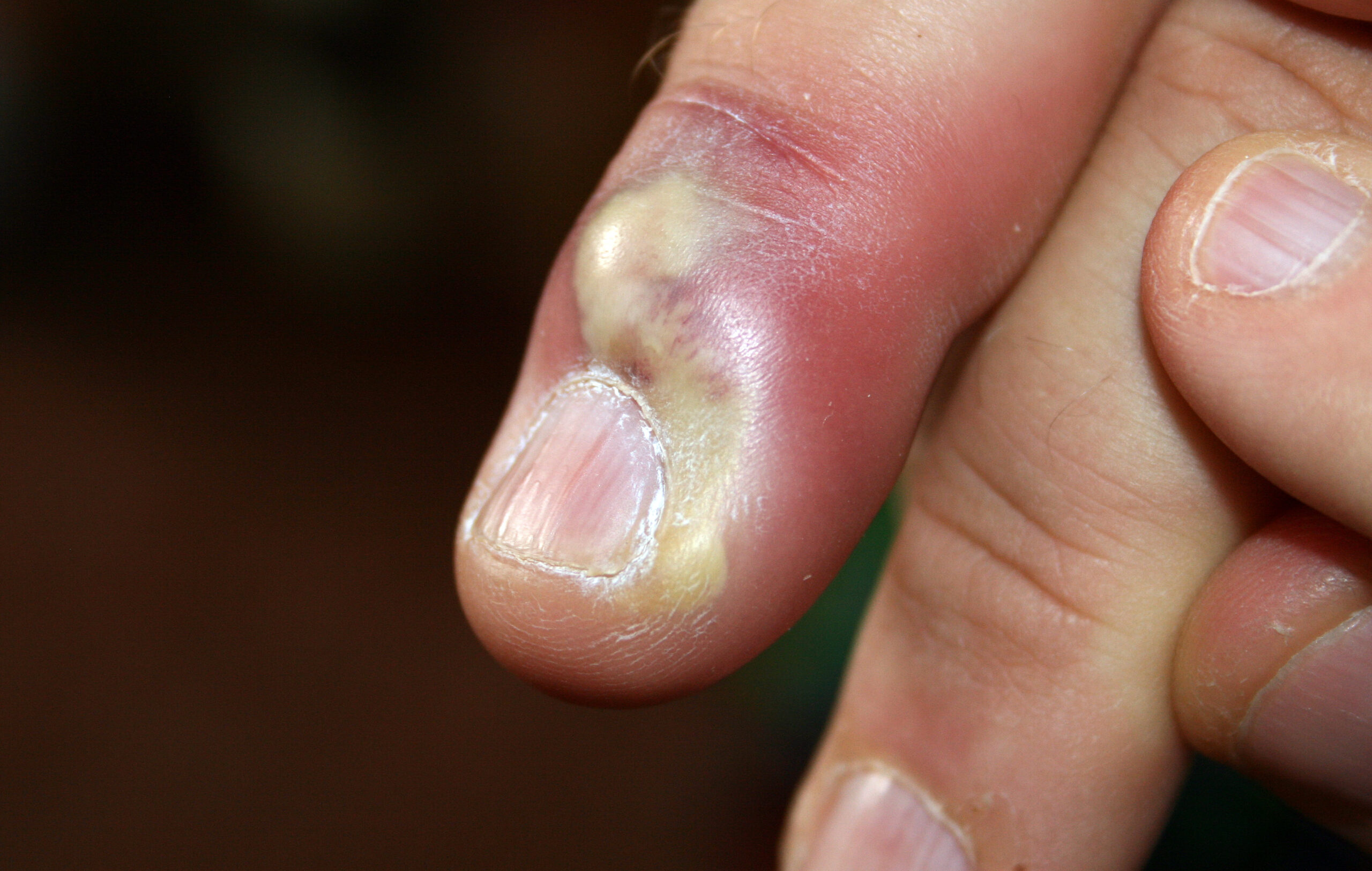
Then my right index finger – the one I used most for cutting fruit – developed a painful infection along the nail. The skin around my nail was red, swollen, and tender. Squeezing limes made it burn like crazy.
Turned out I had paronychia from repeated chemical exposure and moisture damage. The constant wet-dry cycles plus acidic citrus had broken down my skin’s defenses. Bacteria got in and caused an infection that put me out of work for a week.
That experience taught me how common work-related paronychia is and why certain jobs put people at much higher risk than others.
Jobs That Destroy Your Nail Health
Healthcare workers deal with this constantly. Frequent hand washing and sanitizer use strips away natural oils, causing dry cracked skin around nails. Add latex gloves that trap moisture, and you’ve got perfect conditions for infection.
A nurse I know gets paronychia at least twice a year. She’s washing her hands 50+ times per shift, wearing gloves constantly, and dealing with cuts from medical equipment. Her hands are wrecked despite following all proper protocols.
Food service workers face similar issues. Dishwashers have hands in water and chemicals for entire shifts. Prep cooks handle acidic ingredients that irritate skin. Bartenders like I was deal with alcohol, citrus, and constant moisture.
Hairstylists and nail techs work with harsh chemicals daily. Bleach, dyes, acetone, acrylics – all of these damage skin around nails and create infection risk. I’ve met nail techs with chronic paronychia from years of chemical exposure.
Mechanics and construction workers experience trauma-based paronychia. Cuts, scrapes, and impacts to fingers create entry points for bacteria. Working with dirty hands in contaminated environments makes infection almost inevitable.
How Workplace Treatment Actually Works
When my finger got infected, I had to call out of work because I literally couldn’t do my job. Handling bottles was painful, cutting fruit was impossible, and my boss didn’t want me touching customer drinks with an obviously infected finger.
I saw a doctor who prescribed oral antibiotics and told me to keep the area dry – exact opposite of my job requirements. Had to take a week unpaid while the infection cleared. Cost me about $600 in lost wages plus medical bills.
Following appropriate treatment approaches meant actually staying home and letting my finger heal instead of trying to work through it. Pushing through would’ve made everything worse.
Warm soaks three times daily helped drain the infection. I’d soak my finger for 15 minutes, apply antibiotic ointment, and bandage it. Between soaks, I kept it dry and protected. Simple routine that actually worked.
After a week, the infection cleared enough that I could return to work. But I had to modify how I did things – wore waterproof finger guards, changed gloves more frequently, and avoided direct citrus contact.
Prevention Strategies For High-Risk Jobs
Barrier protection makes a huge difference but most workplaces don’t provide adequate options. Regular latex or nitrile gloves trap moisture against your skin, creating problems instead of solving them.
I started using cotton glove liners under my nitrile gloves. Sounds like overkill, but the cotton absorbs sweat and keeps skin drier. Changed gloves every two hours instead of wearing the same pair all shift.
Moisturizing becomes critical when you’re constantly stripping oils from your hands. I kept hand cream in my locker and applied it every break. Sounds simple, but maintaining skin integrity prevents those tiny cracks that lead to infection.
Cuticle care matters more in high-risk jobs. I started using cuticle oil twice daily – once before work and once before bed. Kept the skin flexible and resistant to splitting from chemical exposure.
Immediate treatment of any cuts or hangnails prevents them from becoming infected. I carried liquid bandage and antibiotic ointment in my work bag. Any injury got treated immediately instead of waiting until after shift.
When Chronic Exposure Causes Permanent Issues
Some people in high-risk jobs develop chronic paronychia that never fully resolves. The constant exposure overwhelms their body’s ability to heal, creating persistent inflammation and repeated infections.
I met a dishwasher who’d worked the same job for fifteen years. All ten of his fingers had thickened, discolored nails with chronic inflammation around the edges. He’d given up treating individual infections because they just kept coming back.
The repeated infections had damaged his nail matrices permanently. His nails grew in ridged and irregular, and the skin around them was always slightly red and tender. Years of chemical exposure and moisture had created permanent changes.
Some people develop allergic reactions to chemicals they work with, making everything worse. One hairstylist I know became allergic to the hair dye she’d used for a decade. Now even minimal exposure causes severe inflammation.
Workplace Accommodations And Reality
Legally, employers should provide protection for workers in high-risk jobs. Reality is way different. Most places provide basic gloves and maybe hand soap. Anything beyond that comes out of your pocket.
I tried talking to my bar manager about better gloves, hand cream, and finger protection. Got told the budget didn’t allow for it and I should just “be more careful.” Classic response that puts all responsibility on the worker.
Some people qualify for workers’ compensation if paronychia is clearly work-related. Proving it requires documentation showing the condition started or worsened because of job duties. Most people don’t bother with the paperwork hassle.
Career changes happen when the damage becomes too severe. I know a dental hygienist who had to leave the field after chronic paronychia made it impossible to wear gloves without pain. Ten years of education and experience, gone because of finger infections.
Wrapping This Up
Work-related paronychia is way more common than people realize. Certain jobs practically guarantee repeated infections unless you’re extremely proactive about prevention.
Proper treatment when infections occur means actually taking time off to heal instead of trying to work through it. I learned that the hard way and it cost me a week of wages.
Prevention requires consistent effort with moisturizing, barrier protection, and immediate treatment of minor injuries. These habits feel tedious but prevent major infections that derail your ability to work.
If your job is destroying your nail health, document everything and consider whether the damage is worth it long-term. Some careers aren’t sustainable for people prone to these infections.