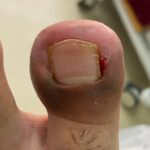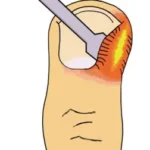
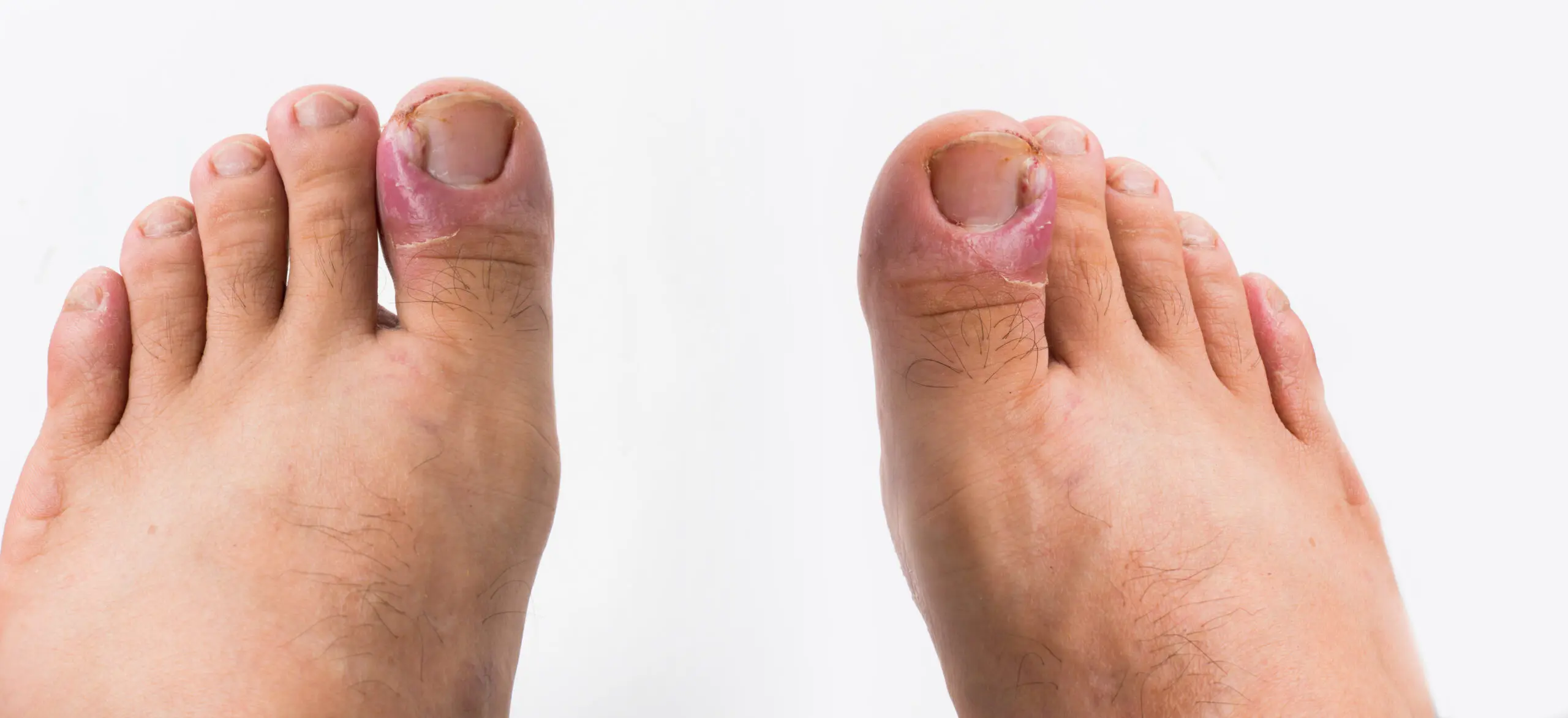
I used to think warm soaks were old-fashioned home remedies that couldn’t possibly work as well as modern medicine. Then I got paronychia – painful, swollen finger that throbbed constantly and made typing impossible.
My doctor’s first recommendation was warm soaks four times daily. I actually argued with her, asking for antibiotics instead. She insisted we start with soaks and add antibiotics only if necessary.
Skeptical but desperate, I followed her instructions. Within 48 hours, the swelling decreased noticeably and pain reduced from constant agony to mild discomfort. Five days of consistent soaking resolved the infection completely without any medication.
That experience taught me warm soaks aren’t just complementary therapy – they’re often the primary treatment for paronychia. Here’s why they work so well.
The Science Behind Warm Soaks
Heat increases blood flow to affected areas. More blood means more oxygen, more nutrients, and more immune cells arriving to fight infection. It’s like sending reinforcements to a battle your body’s already fighting.
Warmth also promotes drainage by softening skin and reducing tissue tension. Early abscesses that haven’t fully formed often drain spontaneously during soaking, releasing pressure and removing infected material naturally.
The temperature needs to be warm but not scalding – around 105-110°F works well. Too hot causes burns, too cool doesn’t provide therapeutic benefit. Test water temperature with your elbow before soaking fingers or toes.
Duration matters more than people realize. Quick 3-5 minute soaks don’t accomplish much. Aim for 15-20 minutes per session to actually increase tissue temperature deep enough to affect inflammation.
How Often Should You Actually Soak
Four times daily is the standard recommendation, but honestly, it feels like a lot. Mornings before work, midday break, evening after dinner, and before bed became my routine.
Missing sessions lets inflammation rebound. I tried stretching to twice daily when I got busy, and symptoms worsened within 24 hours. Consistency really does matter for effectiveness.
Spacing soaks throughout the day maintains steady therapeutic effect. Clustering all four soaks in one afternoon doesn’t work as well as distributing them evenly across waking hours.
For people with demanding schedules, three times daily provides acceptable results though healing takes slightly longer. Twice daily is bare minimum – less than that, and you’re not really treating the infection adequately.
What To Add To The Water
Plain warm water works fine, but adding substances can enhance antibacterial effects and promote healing faster.
Epsom salt is classic addition that many people swear by. It draws out infection and reduces swelling through osmotic effects. Two tablespoons per quart of water creates appropriate concentration.
Povidone-iodine solution provides strong antibacterial coverage without prescription. A few drops turn water amber-colored and kill bacteria on contact. Great option for infections that aren’t responding to plain water soaks.
White vinegar creates acidic environment hostile to bacterial growth. One tablespoon per cup of water is enough – more than that can irritate damaged skin. The smell is unpleasant but results justify the inconvenience.
Chlorhexidine solution is what hospitals use for wound care. It’s available over-the-counter and provides excellent bacterial kill without damaging healing tissue. Follow dilution instructions on the bottle.
When Soaks Aren’t Enough
Warm soaks work brilliantly for early, mild paronychia but have limits. Certain situations require additional treatment beyond soaking alone.
Established abscesses with visible pus pockets need surgical drainage. Soaking helps after drainage but won’t evacuate enclosed infected material. If you see a white or yellow area under the skin, drainage is probably necessary.
Spreading redness indicates cellulitis that’s progressing beyond the immediate nail area. This requires oral antibiotics – soaking alone won’t control systemic infection spreading through tissue.
Patients with diabetes, immunosuppression, or circulation problems need more aggressive treatment from the start. Their infections progress faster and complications develop more readily. Following proper treatment guidelines prevents serious complications.
Intense pain despite 48 hours of consistent soaking suggests the infection isn’t responding to conservative treatment. Time to see a doctor for evaluation and likely antibiotics or drainage.
Combining Soaks With Other Treatments
Topical antibiotics applied after soaking provide additional benefit for moderate infections. The warm soak opens pores and increases absorption of antibiotic ointment into affected tissue.
I applied mupirocin ointment immediately after each soak while skin was still slightly damp. The combination worked faster than either treatment alone would have.
Oral antibiotics prescribed for more severe cases work better alongside continued soaking. The physical effects of heat and drainage complement chemical bacterial killing from antibiotics.
Some doctors recommend topical steroids to reduce inflammation in chronic cases. The soak helps the steroid penetrate deeper into inflamed tissue for better effect.
Common Mistakes People Make
Soaking once or twice total instead of daily doesn’t accomplish much. People try it, see minimal improvement, and conclude it doesn’t work. The problem is inadequate frequency and duration, not ineffective treatment.
Using water that’s too hot damages skin further. I’ve seen people create actual burns trying to “really get the heat in there.” Comfortable warmth works better than painful heat.
Giving up after 24 hours because dramatic improvement hasn’t occurred yet. Soaking works but takes several days of consistent treatment. Expecting overnight cure leads to premature abandonment of effective therapy.
Not drying thoroughly between soaks keeps skin macerated and actually promotes bacterial growth. After soaking, pat dry completely and keep the area dry until the next scheduled soak.
How Long To Continue Treatment
Continue daily soaks until all symptoms completely resolve – usually 5-10 days for acute paronychia. Stopping early because you feel better risks recurrence within days.
I kept soaking three times daily for two days after symptoms disappeared, just to be sure. Haven’t had recurrence in the same finger, so the extra effort seems to have paid off.
Chronic paronychia requires weeks or months of modified soaking routine. Less frequent maintenance soaks – maybe once or twice daily – keep inflammation controlled while addressing underlying causes.
If symptoms haven’t improved noticeably after three days of consistent soaking, medical evaluation is needed. Don’t keep doing the same thing expecting different results.
Wrapping This Up
Warm soaks absolutely should be included in paronychia treatment – they’re not optional complement, they’re primary therapy for most cases. The science supports their effectiveness, and real-world results prove they work.
Four times daily for 15-20 minutes each session provides optimal results. Adding antiseptic solutions enhances effectiveness for stubborn infections.
Consistency matters more than any other factor. Sporadic soaking doesn’t work. Committed daily treatment resolves most infections without antibiotics or procedures.
Know when soaks aren’t enough and medical intervention becomes necessary. Early mild cases respond beautifully to soaking alone, but established abscesses and spreading infections require more aggressive treatment.