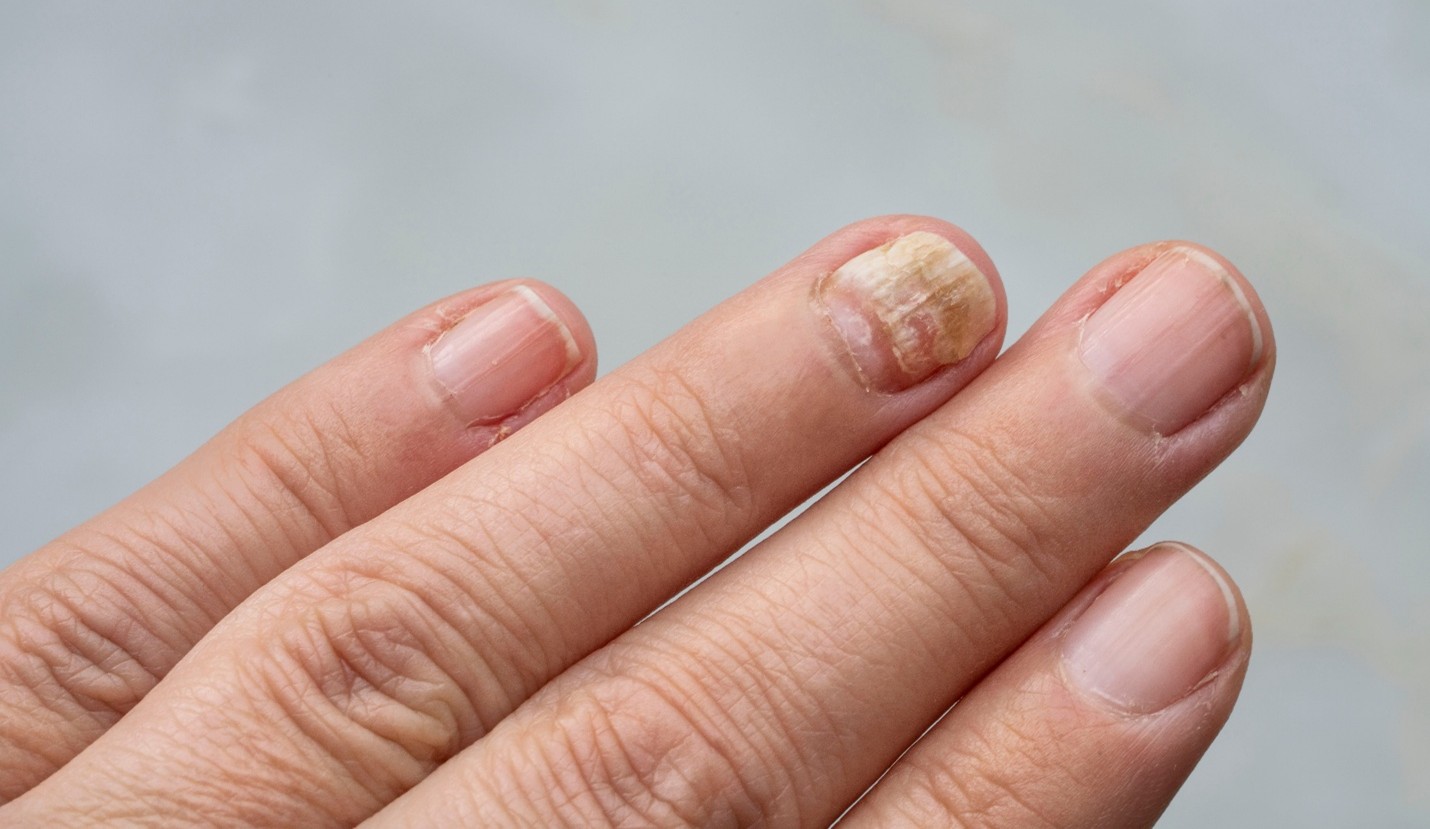
I never connected nail health with paronychia treatment until my nail started growing weird after an infection. The new growth came in ridged, discolored, and weirdly shaped – nothing like the smooth nail I’d had before.
Turns out, the inflammation from paronychia damages the nail matrix – the tissue under your cuticle that actually produces the nail. How you treat the infection determines whether that damage is temporary or permanent.
Some treatment approaches focus only on killing bacteria while ignoring the structural damage happening to growth tissue. Others actively protect the nail matrix and support healthy regrowth even while fighting infection.
Here’s how proper paronychia treatment preserves nail health long-term.
Protecting The Nail Matrix During Treatment
The nail matrix is incredibly sensitive to inflammation and pressure. Swelling from infection compresses this tissue, disrupting the organized cell growth that creates smooth, healthy nails.
Early treatment minimizes matrix damage by reducing inflammation before it affects deep structures. Waiting days while infection worsens allows prolonged compression that creates permanent growth abnormalities.
Warm soaks reduce swelling gently without traumatizing tissue further. Aggressive squeezing or manipulation damages the matrix mechanically, creating worse cosmetic outcomes than the infection alone would cause.
Anti-inflammatory treatments protect the matrix while fighting infection. Topical steroids in combination with antibacterial agents reduce inflammation that threatens growth tissue.
Drainage Techniques That Minimize Scarring
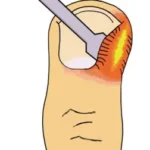
How abscesses get drained dramatically affects nail appearance months later. Aggressive incisions through the nail fold can permanently damage growth zones.
Conservative drainage through smallest possible incisions preserves more tissue and reduces scarring. The goal is removing pus with minimal collateral damage to surrounding structures.
Some doctors perform drainage under the nail fold, avoiding incisions through the visible cuticle area entirely. This approach leaves no visible scars and preserves the protective barrier between nail and skin.
Following proper treatment approaches for drainage procedures ensures infection resolution without unnecessary aesthetic damage.
Healing after drainage determines final cosmetic outcome. Keeping wounds clean, moist, and protected supports organized tissue regeneration rather than chaotic scar formation.
Timing Treatment For Optimal Recovery
Starting treatment within 24-48 hours of symptom onset prevents most matrix damage. The nail hasn’t been subjected to prolonged inflammation that disrupts growth patterns.
I treated one finger immediately when symptoms appeared and another finger a week later during a different infection. The early-treated nail regrew perfectly normal. The delayed-treatment nail showed ridging for months before finally growing out.
Chronic inflammation from untreated or undertreated infections causes ongoing matrix damage. Each day of active inflammation further disrupts the organized cell division that creates smooth nails.
Complete treatment until all symptoms resolve prevents recurrent inflammation that damages regrowth. Stopping too early allows infection to smolder and continually irritate growth tissue.
Topical Treatments That Support Regrowth
Certain topical agents not only fight infection but actively support healthy nail regeneration once inflammation resolves.
Vitamin E applied to the nail fold after infection clears supports tissue healing and nail matrix recovery. The antioxidant properties protect healing cells from oxidative damage.
Moisturizing the cuticle area keeps skin supple and reduces mechanical stress on the nail matrix during regrowth. Dry, cracked cuticles pull and distort the underlying growth tissue.
Biotin supplements support keratin formation – the structural protein that makes up nails. While not treating infection directly, biotin optimizes regrowth quality after matrix damage.
Avoiding Treatments That Damage Growth
Some common practices actually impair healthy nail regrowth despite helping fight infection.
Removing the entire nail unnecessarily traumatizes the nail bed and matrix. Unless severely damaged or harboring infection underneath, preserving the nail protects growth tissue better than removal.
Harsh antiseptics like full-strength hydrogen peroxide or bleach kill bacteria but also damage healthy cells trying to regenerate. Diluted antiseptics or gentler options work as well without toxic effects on healing tissue.
Repetitive aggressive manipulation while checking if the infection is improving traumatizes tissue repeatedly. Look but don’t constantly poke, squeeze, or press on healing areas.
Managing Chronic Paronychia For Nail Health
Recurring infections cause cumulative damage to the nail matrix that eventually becomes permanent. Each infection episode adds more disruption to growth patterns.
Addressing root causes of chronic paronychia prevents repeated matrix trauma. Moisture exposure, chemical irritants, or nail-biting habits need fixing to stop the cycle of damage and regrowth.
Protective barriers during healing phases shield the nail fold from additional trauma. Bandaging or liquid bandage products let tissue recover without constant re-injury from daily activities.
Nutrition For Nail Recovery
What you eat affects how well nails regenerate after infection damages growth tissue.
Protein provides building blocks for keratin synthesis. Inadequate protein intake shows up as soft, weak nails that don’t regrow properly after matrix damage.
Iron deficiency impairs nail growth noticeably. If nails aren’t regrowing well after infection resolves, checking iron levels makes sense.
B vitamins, particularly biotin, support the metabolic processes that create nail tissue. Supplementation may speed recovery of damaged matrix function.
Zinc supports immune function and tissue healing. Deficiency impairs both infection resolution and subsequent regrowth quality.
Monitoring Regrowth Progress
Nails grow slowly – fingernails about 3mm monthly, toenails half that speed. Evaluating treatment effects on growth quality takes patience.
I photographed my nail monthly after treatment to track regrowth. The ridged, damaged portion gradually moved toward the tip as healthy new growth emerged from the matrix.
It took four months for my fingernail to completely replace the damaged section. Toenails would take 9-12 months for complete turnover.
New growth appearing smooth and normally colored indicates successful matrix recovery. Continued abnormalities mean ongoing inflammation or permanent damage occurred.
When Damage Becomes Permanent
Severe or prolonged infections sometimes cause irreversible matrix damage. The growth tissue scars or dies, leaving permanent nail abnormalities.
Persistent ridging that doesn’t grow out after a full nail cycle indicates permanent change. The matrix isn’t recovering its organized growth pattern.
Partial nail loss where sections stop growing entirely represents complete matrix destruction in that area. No treatment regenerates dead matrix tissue.
Nail plate splitting or separating chronically suggests permanent structural weakness from infection-caused damage.
Wrapping This Up
Paronychia treatment should protect nail growth tissue, not just kill bacteria. How you treat the infection determines whether nails regrow normally or develop permanent abnormalities.
Early, gentle treatment minimizes matrix damage and supports complete recovery. Delayed or aggressive interventions risk cosmetic consequences that last months or become permanent.
Supporting overall health through nutrition, hydration, and immune function optimizes regrowth quality after infection resolves.
Monitor regrowth for months after treatment ends. Healthy nail emergence from the matrix indicates successful treatment that preserved growth tissue despite infection.