
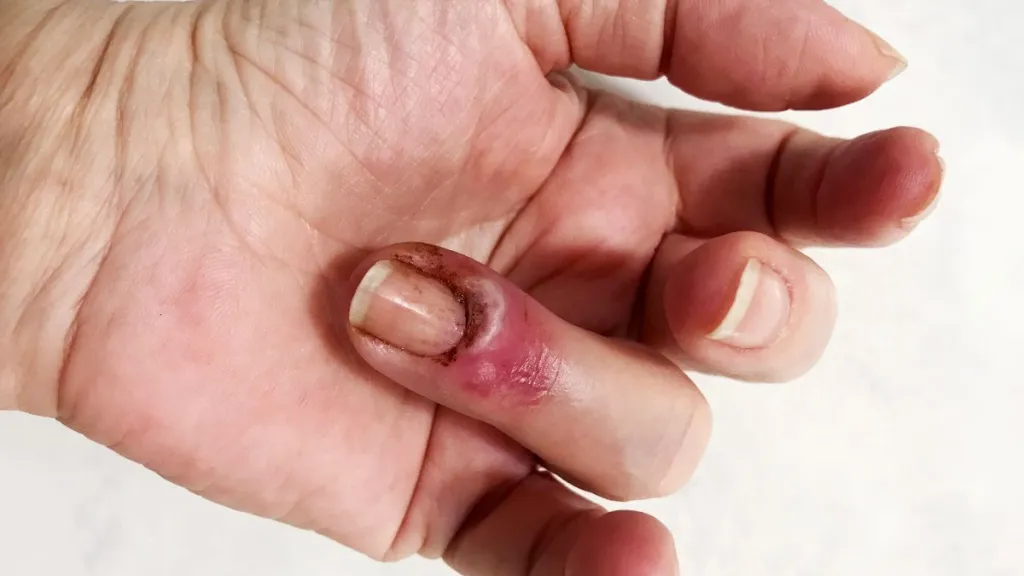
My friend ignored a small area of redness around her thumbnail for three days. Figured it would go away on its own like minor irritations usually do. By day four, the redness had spread halfway down her thumb and she couldn’t bend it without intense pain.
What started as localized nail fold inflammation became cellulitis requiring oral antibiotics and almost landed her in the hospital for IV treatment. All because she waited instead of treating the infection when it was still contained.
That experience taught both of us that paronychia doesn’t respect boundaries if you give it time to spread. But early aggressive treatment stops progression before bacteria invade deeper tissue.
Here’s what actually works to contain infection when you catch it early.
Recognizing Early Infection Signs
The first 24-48 hours determine whether infection stays localized or spreads into surrounding tissue. Most people miss this critical window because symptoms seem minor.
Slight warmth around the nail fold is often the earliest sign. The area feels warmer than the corresponding spot on other fingers. Subtle but significant.
Mild tenderness with pressure indicates inflammation starting. Not painful enough to worry about yet, but definitely not normal sensation.
Faint redness limited to the immediate nail fold shows bacterial colonization beginning. It’s easy to dismiss at this stage as simple irritation.
Slight puffiness makes the cuticle area appear fuller than usual. Again, easy to ignore until swelling becomes obvious days later.
Immediate Treatment Actions
Starting treatment the moment you notice early signs contains most infections before they spread. Every hour of delay gives bacteria more time to multiply and invade.
Warm soaks should begin immediately – don’t wait to see if symptoms worsen. Four times daily for 15-20 minutes each creates hostile environment for bacterial growth while boosting immune response.
My approach now is treating anything suspicious aggressively for 24 hours. If symptoms completely resolve, great. If they persist or worsen, I’ve already started appropriate care and prevented progression.
Antiseptic soaks work better than plain water for early containment. Povidone-iodine or chlorhexidine solutions kill surface bacteria before they establish deeper infection.
Applying topical antibiotics after each soak provides additional antibacterial coverage. The combination of heat, antiseptic, and antibiotics attacks bacteria from multiple directions simultaneously.
The 48-Hour Window
Research shows most paronychia that will progress to serious infection does so within 48 hours of initial symptoms. Treatment started in this window usually prevents spread.
I track symptoms hour by hour during the first two days. If redness is shrinking, swelling is decreasing, and pain is lessening, conservative treatment is working. If any of those worsen, I escalate care immediately.
Measuring the redness with a marker or pen helps objectify whether infection is spreading. Circle the red area and check every 12 hours – if new redness extends beyond the mark, it’s advancing despite treatment.
Temperature at the infection site compared to corresponding location on the other hand reveals whether inflammation is increasing. Spreading warmth indicates bacterial activity expanding territory.
Following established treatment protocols during this critical window prevents most complications and hospital visits.
When Topical Treatment Isn’t Enough
Some infections progress despite aggressive topical care. Recognizing when you need oral antibiotics prevents dangerous delays.
Red streaks extending from the infection site indicate lymphangitis – bacteria spreading through lymphatic vessels. This requires immediate oral antibiotics, not just continued soaking.
Swelling extending beyond the nail fold into the finger or toe signals cellulitis developing. The infection has breached initial containment and is invading deeper tissue.
Increasing pain despite 24 hours of proper treatment means bacterial load is overwhelming local defenses. Your body needs systemic antibiotic help.
Fever accompanying paronychia indicates bacteria have entered bloodstream. This is medical emergency territory requiring same-day treatment.
Drainage As Containment Strategy
If abscess begins forming, early drainage prevents spread more effectively than any other intervention.
Small abscesses caught early drain easily with minimal tissue damage. Waiting until they’re large requires more aggressive incisions that increase spread risk and scarring.
I’ve had doctors drain tiny forming abscesses that most people wouldn’t even recognize as needing intervention. Releasing that small amount of pus stopped progression immediately and prevented antibiotics entirely.
The drainage removes concentrated bacterial load that would otherwise spread into surrounding tissue. Physical removal works faster than waiting for antibiotics to kill bacteria or immune system to wall off infection.
Protective Measures During Treatment
While treating early infection, preventing additional bacterial introduction and mechanical trauma helps containment efforts.
Keeping the area bandaged between soaks protects against contamination from normal daily activities. Clean dressing after each soak maintains barrier against environmental bacteria.
Avoiding trauma to the healing area prevents creating new entry points for bacteria. I’m careful not to bump or press on treated fingers during the critical first few days.
Stopping activities that caused the initial breach – nail biting, cuticle cutting, chemical exposure – removes ongoing sources of tissue damage and bacterial introduction.
Leaving the area dry between soaks prevents maceration that encourages bacterial growth and spread into softened tissue.
Immune System Support
Your body’s ability to contain infection determines whether bacteria stay localized or spread systemically. Supporting immune function improves treatment outcomes.
I increased sleep to 8-9 hours nightly while fighting early infection. Immune cells work more effectively with adequate rest, and infection resolution accelerated noticeably.
Hydration supports blood flow that delivers immune cells to the infection site. Dehydrated tissue has reduced perfusion that impairs natural containment mechanisms.
Reducing stress through whatever methods work for you – meditation, exercise, time in nature – measurably improves immune response. Stress hormones suppress infection-fighting capabilities.
Preventing Secondary Infection
While treating the primary paronychia, preventing bacterial spread to adjacent nail folds requires conscious effort.
I’m careful to thoroughly wash hands after touching the infected area. Bacteria transfer easily from one finger to others through normal contact.
Using separate towels for drying infected fingers prevents contaminating clean areas. Shared towels spread bacteria to every spot they touch.
Not picking at cuticles on other fingers during the infection prevents creating entry points that bacteria could seed. Nervous habits during illness create new infection opportunities.
Success Markers
Knowing whether early treatment is successfully containing infection helps you decide if escalation is needed.
Redness should stabilize within 24 hours and begin shrinking by 48 hours. Spreading redness despite treatment indicates failure to contain.
Swelling peaks around 24 hours then gradually decreases if treatment is working. Continued swelling increase signals losing the containment battle.
Pain should improve noticeably by day 2-3. Worsening pain means bacterial load is increasing despite treatment efforts.
The area should feel cooler compared to initial infection warmth. Persistent or increasing heat indicates active, spreading inflammation.
Wrapping This Up
Paronychia treatments absolutely can stop early infection spread – if started immediately when symptoms first appear. The 48-hour window after symptom onset is critical for containment success.
Aggressive multi-modal treatment with warm soaks, antiseptics, and topical antibiotics attacks infection from multiple angles. This comprehensive approach works better than any single intervention alone.
Monitoring infection closely during treatment reveals whether it’s contained or spreading. Objective measurements like marking redness borders and comparing temperatures guide escalation decisions.
Know when topical treatment isn’t enough and oral antibiotics become necessary. Pride or antibiotic avoidance shouldn’t delay appropriate escalation when infection is clearly progressing despite conservative care.
Previous Article
How Paronychia Treatments Support Healthy Nail GrowthNext Article
Why Paronychia Treatments Matter For Nail Biters