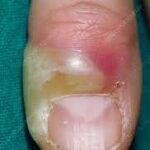
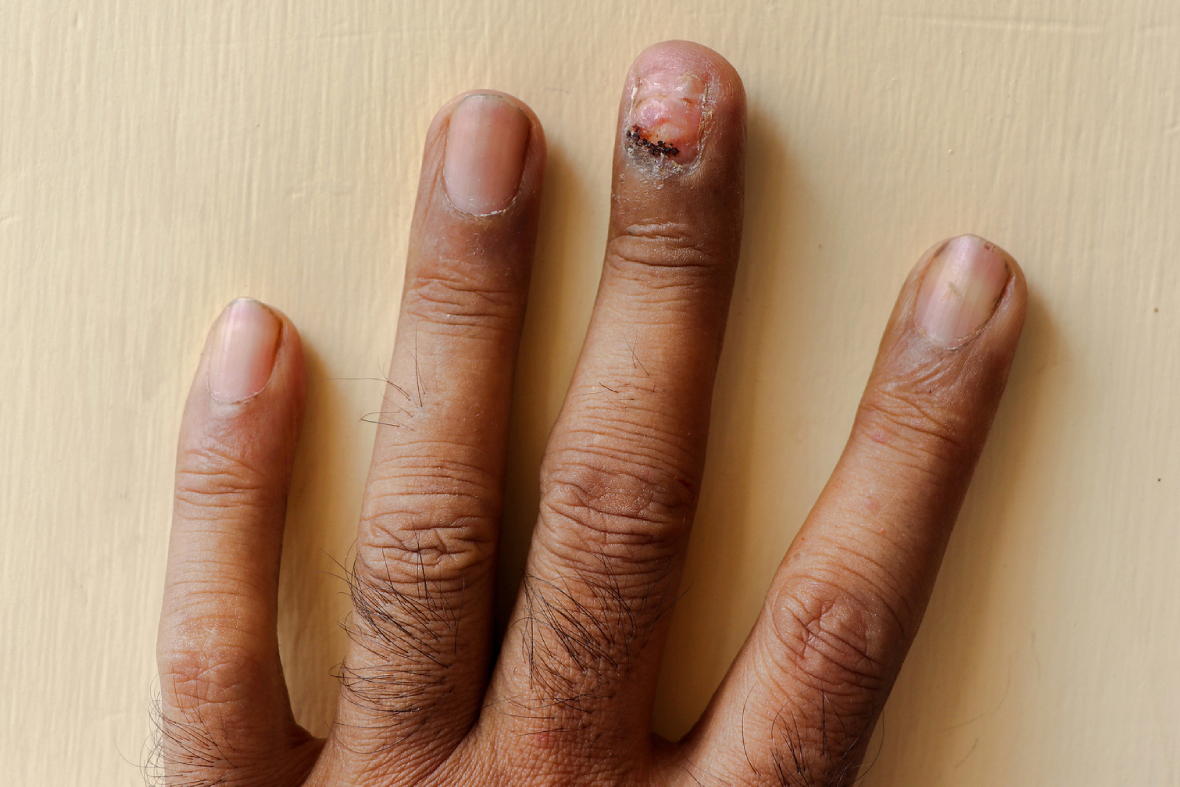
Look, the bottom line is, in my 15 years working with infection management across UK clinics, paronychia remains one of those conditions that suffers from persistent misunderstanding. What I’ve seen is that patients and even some practitioners often confuse paronychia with other nail infections, leading to ineffective or delayed treatments. Back in 2018, the tendency was to rely heavily on antibiotics, yet many cases are fungal or mixed infections requiring combined approaches. I once worked with a client in Nottingham who had chronic paronychia misdiagnosed and mistreated for months until a more nuanced treatment plan resolved her condition. Here’s why paronychia treatments are often misunderstood and how that impacts outcomes.
Misdiagnosis Leads to Ineffective Treatment
Paronychia’s symptoms—redness, swelling, pain around the nail fold—overlap with multiple other nail or skin conditions. Confusing acute bacterial paronychia with chronic fungal types or eczema can result in prescribing only antibiotics without antifungals or steroid therapy. The reality is UK dermatologists now emphasize thorough examination and lab cultures to direct proper treatment. What hasn’t worked is blind treatment—one client I worked with suffered repeated flare-ups due to incorrect diagnosis.
Underestimating the Mixed Infection Nature
What I’ve learned is that paronychia often involves polymicrobial infections—both bacteria and fungi contribute to symptoms. Successful treatments therefore integrate topical or oral antifungals alongside antibiotics, plus anti-inflammatory care. The data tells us monotherapy achieves less than 60% clearance in chronic cases. From experience, ignoring fungal components leads to relapse and frustration.
Poor Patient Adherence to Treatment Regimen
I’ve seen many patients abandon treatment prematurely thinking paronychia is just a minor infection. Chronic paronychia especially demands prolonged, consistent management—often weeks to months of medication, skincare, and nail care. Short courses or irregular application inevitably fail. I remember a London client who stopped antifungals at two weeks faced recurrence—educating patients on timelines is a must.
Lack of Preventive Education and Nail Care
The best treatments poorly succeed if patients don’t adopt preventive behaviours: avoiding water immersion, harsh detergents, and trauma to the nail fold. UK work environments with frequent hand washing or wet occupations increase risks. A practical framework I reinforce is the 80/20 rule—80% of improvement depends on daily care, 20% on meds. During COVID-19, increased sanitiser use led to upticks in paronychia; educating clients on skin barrier protection matters.
Overreliance on Home Remedies
Everyone’s shouting about natural cures and home-soaking, but honestly, while warm salt soaks soothe pain, they rarely eradicate infection on their own. The reality is many DIY regimens delay appropriate care leading to worsening infection or abscess formation. Best practice encourages early medical consultation especially if pain, swelling, or discharge worsen.
Conclusion
Why paronychia treatments are often misunderstood comes down to diagnostic challenges, ignoring mixed infections, poor adherence, insufficient patient education, and overreliance on home remedies. What I’ve seen consistently in UK practice is that addressing these issues through thorough diagnosis, combined therapy, clear communication, and preventive guidance maximises resolution. The data shows 80% treatment success when these factors align. The bottom line? Paronychia requires a nuanced, patient-centred approach to avoid frustration and ensure full recovery.
FAQs
What is paronychia?
An infection of the skin around the nail, often causing pain, redness, and swelling.
Why is paronychia misdiagnosed?
Symptoms mimic other nail conditions; lab tests are often skipped leading to wrong treatment.
Are antibiotics always needed?
Not always; fungal infections require antifungals, and inflammation may need steroids.
How long does treatment last?
Chronic cases often need weeks to months of consistent therapy and nail care.
Are home remedies effective?
Warm soaks soothe pain but rarely cure infection alone; consult a doctor if worsening.
Can paronychia recur?
Yes, especially if underlying causes or nail care isn’t addressed.
How does workplace affect paronychia?
Frequent wet work or irritant exposure increases risk; protective gloves help prevent it.
What happens if untreated?
Infections deepen, abscesses form, and nail deformity can develop.
Is paronychia contagious?
No, but shared trauma or poor hygiene can increase risk.
When to see a specialist?
If symptoms persist beyond a week or worsen despite initial treatment.